Advanced
When they reraise
A raise of your bet is a new hand. Most of the time the answer is fold.
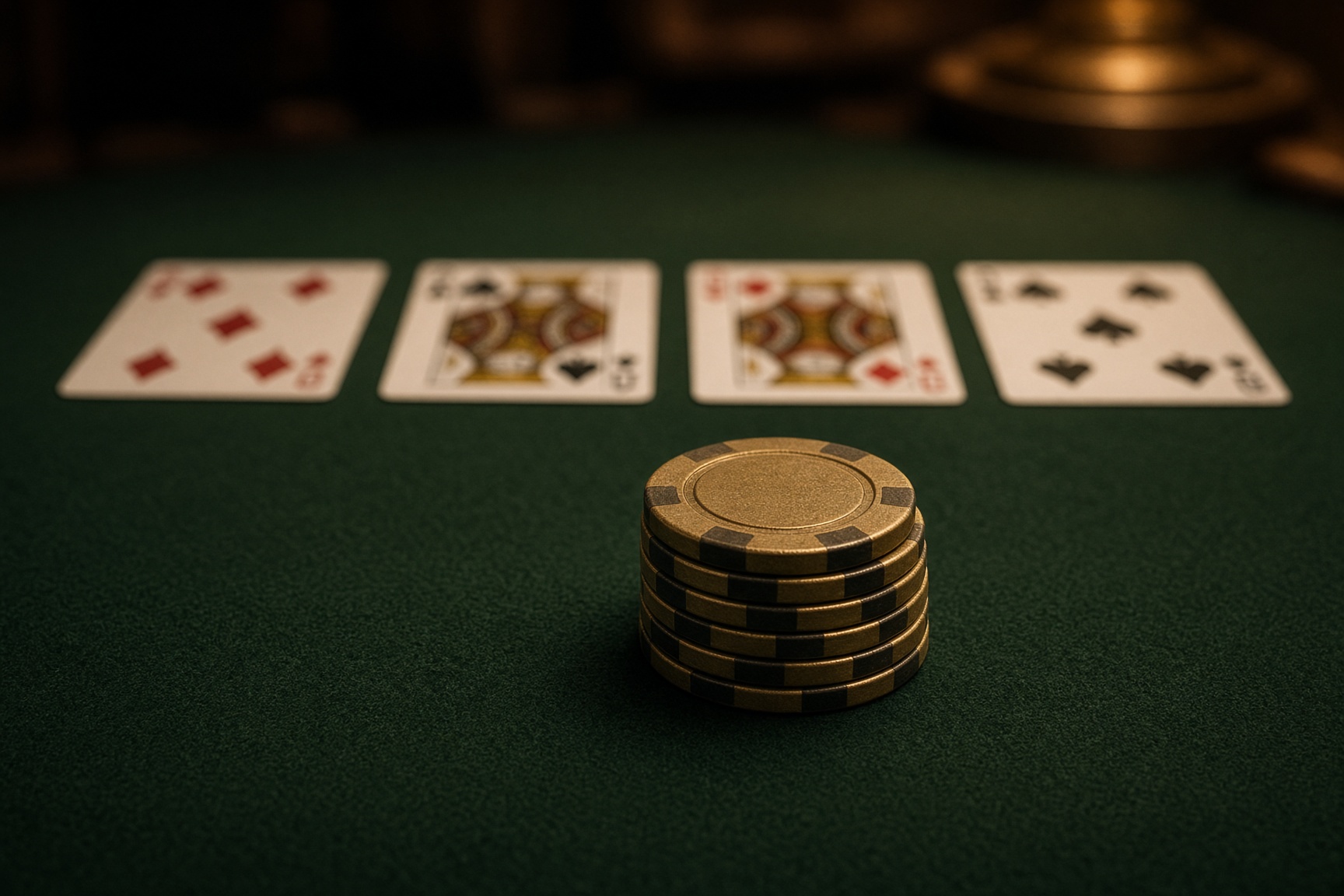
You bet, or you raised, and they came back over the top. This is where a plan either exists or it does not. Most of the time the answer is fold. Not because you are being pushed around. Because their range just got stronger, and the hand you bet for a small pot is no longer the right price for a big one. The players who go broke here are rarely the ones who bluff. They are the ones who will not release a pair once chips have left their stack.
A reraise is new information. It is not an insult and it is not a dare. A solid opponent three-bets a short list and raises the flop with strong hands. A tight opponent does it less often, which means you believe it more. A loose opponent can raise light, which is the one time your continue gets wider — and even then, not with the bottom of what you bet. The style you picked in the lobby is the first sentence. Then you look at the cards you actually hold.
A three-bet does not inherit your open
You opened because the chart said the hand was worth a raise. That does not mean it is worth a call of a three-bet. The four-bet list is shorter. Jacks and better, ace-queen suited, ace-king. Under about forty blinds the strong hands shove instead of making a small four-bet that still offers a price. Queens and ace-king can call a shove. Jacks start to hate it. Ace-queen offsuit, which felt enormous when you opened the button, is dominated by a tight player's shove and should fold. Folding an open to a three-bet is not a contradiction. The chart has more than one page.
Suited connectors and small pairs that opened from late position fold to the reraise most of the time. They wanted a flop in position, at a small price. The price is no longer small, and you are often out of position against a stronger range. Do not see a flop now that you opened. The open is over. The chips in the middle are rent. They do not get to call for you.
After the flop, ask what your bet was for
Go back to the job. If you bet a third as a cheap claim with ace-high or a weak pair, and they raise, the claim failed. Fold. The small bet was supposed to stay small. Calling the raise turns it into the pot-sized sentence you chose not to say. If you bet two thirds for value with top pair and a real kicker, heads-up, against a loose player, you can call a raise some of the time, because their raising range is messier. Against a tight player on a wet board, that same top pair is often a fold. You do not defend every value bet. Some of them were thin, and thin hands fold to heat.
If you were bluffing and they raise, fold, unless the draw is now getting a price that still makes sense, or you are already committed and the shove was the plan before they clicked. They always raise is not a plan you invent after the click. A semi-bluff that gets raised can call when the outs clear the new price. It does not automatically raise again. Three streets of refusing to fold is not fold equity. It is the stack.
Chips already in the pot are not a vote. They do not get to call.
Continuing is a short list
- You have the hand that wanted the bigger pot. A set, a strong overpair, the nuts, a draw that is in good shape against their range.
- The price of calling is small beside the pot, and your hand beats enough of the bluffs. This is rarer than it feels in the moment.
- The stack is short and folding leaves a pile that cannot do anything. Then call or shove. Do not min-raise the rest.
- The room is loose, so you continue a little wider. The room is tight, so you continue narrower than your pride prefers.
Everything else folds. Second pair. Top pair with a weak kicker against a tight raise. Ace-high. A gutshot that was a fine call of a small bet and is now facing a pot-sized raise. A pocket pair that missed its set. You will win some of these if you continue. You will lose more. The fold is the profitable average, and averages are how a session is still there at the end of the number of hands you promised yourself.
Do not reraise again just to end the feeling
A four-bet, or a reraise on a later street, is for a hand that wants the rest of the stack in, or for a rare bluff with a blocker against a seat that can still fold. It is not a way to stop the discomfort. If you would fold to a shove, your reraise was a bluff, and you should already have named the hand that folds. Most of the time you will not have that name. Call the hands that can stand the price. Fold the rest. Leave the big button alone because the hand has gone on long enough. Length is not a reason.
There is a quiet version after you checked a monster, they bet, you raised, and they shoved. You often call that one. You built the trap. Pay it off when you still beat value. Fold when the board has gotten so ugly that their shove is the nuts and your set is a souvenir. Even the trap has a fold in it. The check invited a guest. If the guest arrived with a better hand, you are allowed to leave the pot.
Next · EliteThe room, the stack, and the sessionExploits without a solver, what changes when the stack gets short, and a session you can defend tomorrow.